
Arco Oil and Gas used accelerated learning in accounting system training. Participants rated the course 9.5 and when tested for problem solving and retention 3 months later, they scored 8.5. Supervisors report that course graduates are notably more competent and independent than before accelerated learning.
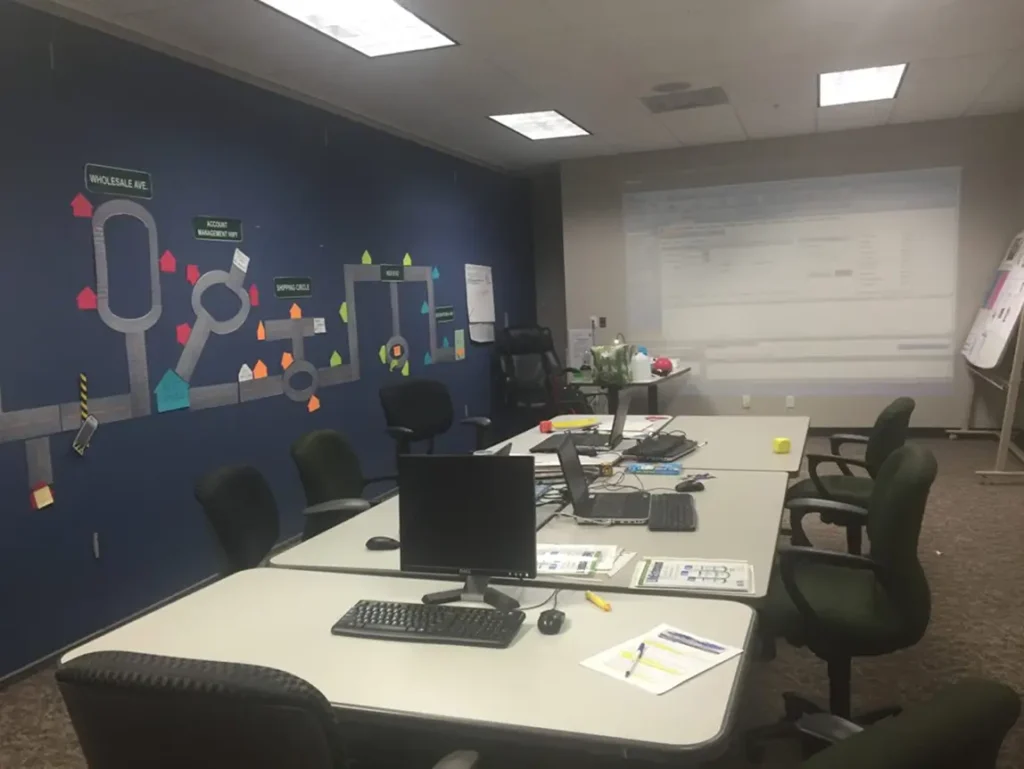
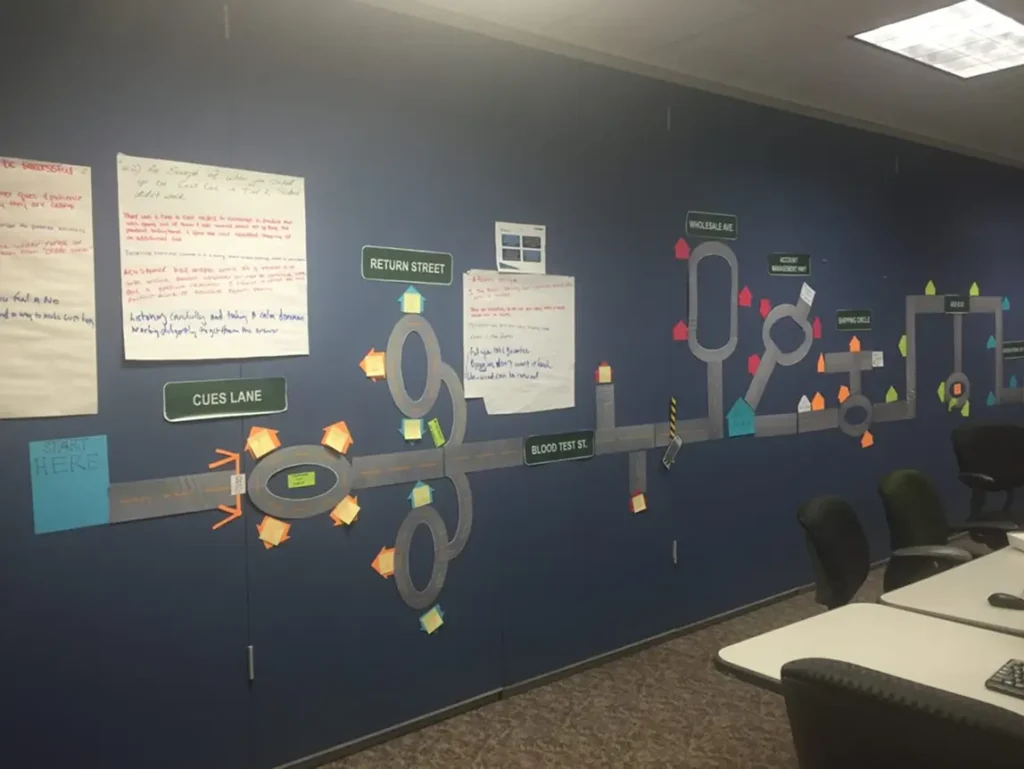
Using the theme of a car race, Junior has a large race track spanning one entire wall that contains a map of the two-week course. Right away, learners are able to visualize the entire process. For each module during the two weeks, participants return to the track to record their knowledge, answer questions, and solve problems in a fun competition to see who can cross the finish line first!
The “race” starts a week before they even walk into the door for training. Participants are asked to complete tasks in the workplace, including peer-to-peer observations and discussions about course content. They are given time off the phones for these activities. This gives participants a basis of understanding so Junior can use the time to “reinforce what they already knew instead of delivering brand new content.”
When learners come to class, the very first activity of the program takes them to the race track. They have to collect and condense all the points they already know about the first two topics and write them on a flipchart page which they adhere to the track. (They repeat this for all of the topics in the program, and the track fills up with learner-generated content as the course proceeded.)
After the initial activity, each participant receives a car game piece. To review each module, participants gather at the wall and roll dice, moving their cars on the track. Depending where they land, they have to answer a question and get a corresponding number of points according to the complexity of the question. At some questions, they can win a small prize or incentive.
If they land on a roadblock or toll booth, they have to answer a question successfully in order to proceed during the next turn. Most of these are questions taken from actual calls that the rep was unable to adequately answer for the customer. Participants practice using their desktop reference material to answer the questions, which helps prepare them for answering customers’ actual questions when they get on the phone.
If they answer an obstacle question correctly they can take the obstacle with them and use it against another player to slow them down later in the game.